Last week, in the wake of the People’s Climate March and the #FloodWallStreet protests that followed it, I was tweebating folks of the “voluntarist” persuasion of libertarianism about the alleged hypocrisy (or irony, at least) of environmentalists using the fruits of capitalism to communicate their presumably anti-capitalist ideas. This was something we used to hear a lot in the beginning of the #Occupy movement from Wall Street’s apologist-propagandists in the media and the grandstands they played to. The argument seemed to be, if you use it, you can’t complain about it. Interesting to me, those who take this argument seriously (and assuming anyone really does, it must be these people), they don’t seem able to see that they could be accused of a similar hypocrisy for criticizing the government when they benefit from government infrastructure, public safety and defense.
But that is not my problem with the voluntarists. My problem is with their fundamental stance, which was exemplified for me in a tweet from one “Jack”:
Jack @oaaselect Sep 23
Did you get tricked into buying your device [meaning what I was using to Tweet with] or did you buy it voluntarily? @ChristofPierson @scooterpie61
via Twitter / Notifications.
‘
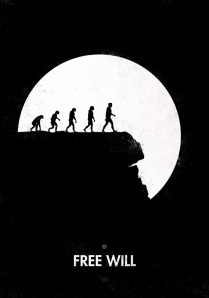
On its face, this seems like a good question. The problem is, if you dig just a little under the face, the question falls apart. Do we really buy things “voluntarily”–of our own free will? Is it as simple as that? Consider the millions of people who broke records dumping their current phones for the iPhone 6 recently. Did all of those people need a new phone? Did they need the iPhone 6 in particular? Considering they were surviving fine without it until it went on sale, It’s hard to believe they did.. But the question is not did they need it, but did they want it? Did they buy it of their own free will?
Philosophically, free will is still controversial, of course. It’s a popular belief for obvious reasons, but the jury is still out on whether or not it’s fact. The very unpopular determinist position is that we are restricted to a very limited range of behaviors, based on any given stimulus, and the range shrinks the more habituated to these stimuli we become–unless we are insane, in which case, our behaviors can be frighteningly free-ranging and considered dangerous to society. Of course, just because this is an unpopular (because unflattering) point of view doesn’t mean it’s wrong.
I think it’s prudent to wonder, then, if the millions who ran out to buy the iPhone 6 all really “wanted” the phone or were responding as expected to a stimulus (“new Apple product,” or just,” latest gadget”) they’ve become habituated to reacting to in a specific way. There is no easy way of knowing, except maybe by comparing one’s own responses to these kinds of stimuli. Do we always buy what we want? Do we always take the job, or marry the spouse, or buy the house or car or gadget we want? If I were a voluntarist–I mean, if voluntarism were something I thought I wanted to believe in–wouldn’t it be important to know if free will were something more than a wish or hope–in other words, a self-flattering illusion? Wouldn’t it be important to know if it were something more like an objective fact?
If it is more like fact, it certainly is not a simple one. But my conversation with these voluntarists was unsatisfying not just because of Twitter’s limitations as a forum for complex discussion. These voluntarists were not interested in complexities in the least. They were quite content with their received opinions about free will, the nature of “real capitalism’ (which according to them is something, unironically to them, not of this world), or the right (or justice, if you will) of those who critique capitalism partaking in the gadgets the system produces. I have to wonder, who’s less liberated: the person within a system who sees its faults and says what those faults are, or the person whose ideology doesn’t permit more than a shallow understanding of the very thing they think they believe in.





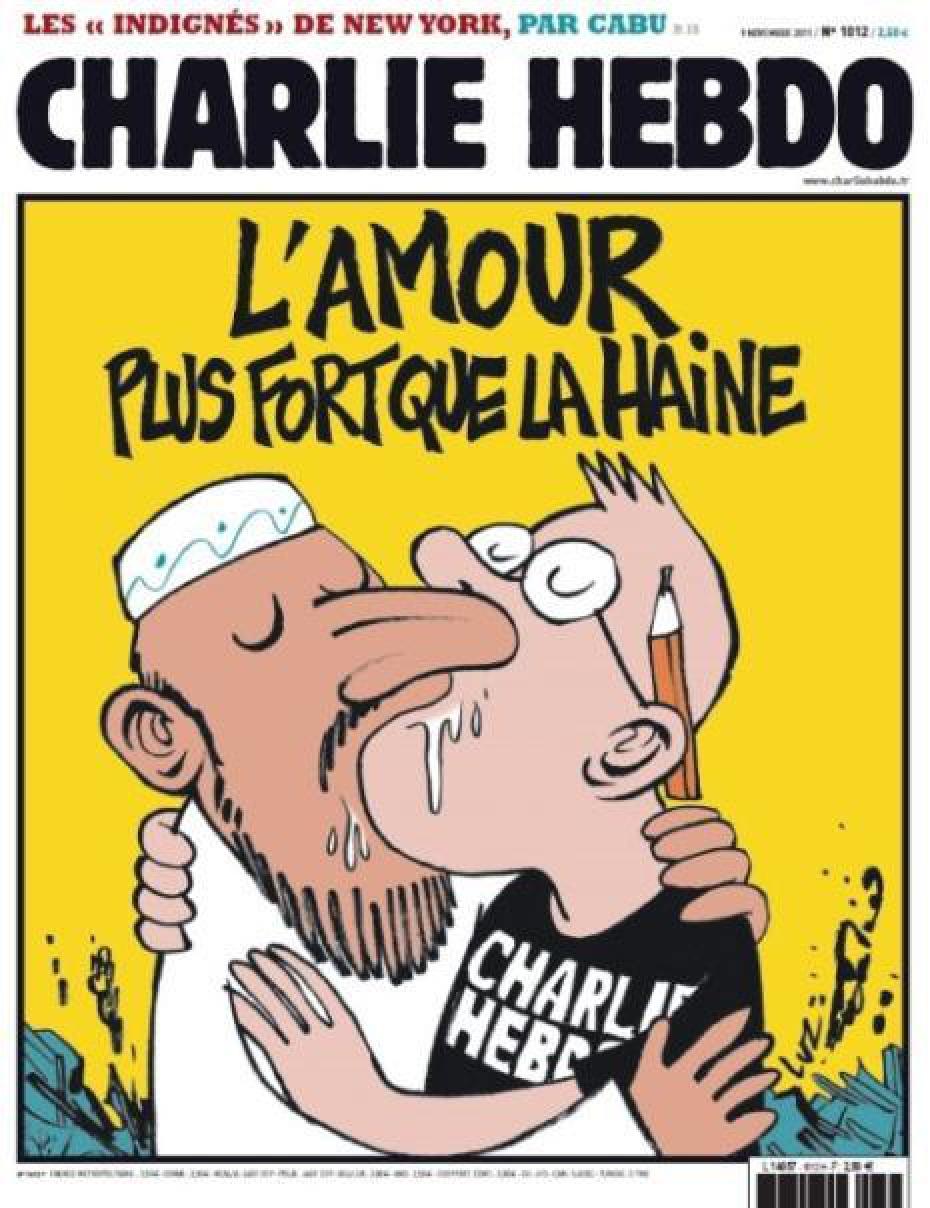
 It’s not that I have any great love for Islam. It’s that I have low tolerance for snap judgments about the meaning of news events. I mean, what is the justice issue here for me? It’s not that innocent Muslims are being smeared by careless Westerners. It’s that careless Westerners are smearing the discourse with irrelevancies. Maybe I’m wrong. Maybe the Dawkinses and Mahers and Harrises, by pointing their fingers at Islam are contributing to a global intellectual environment in which ultimately fewer adults will choose Islam as an ideology, which would be a good thing. On the other hand, maybe they’re contributing to a global intellectual environment in which borderline Muslims get knee-jerked back to Islam because Islam’s enemies say it’s bad so it must be good.
 Tragic Farce